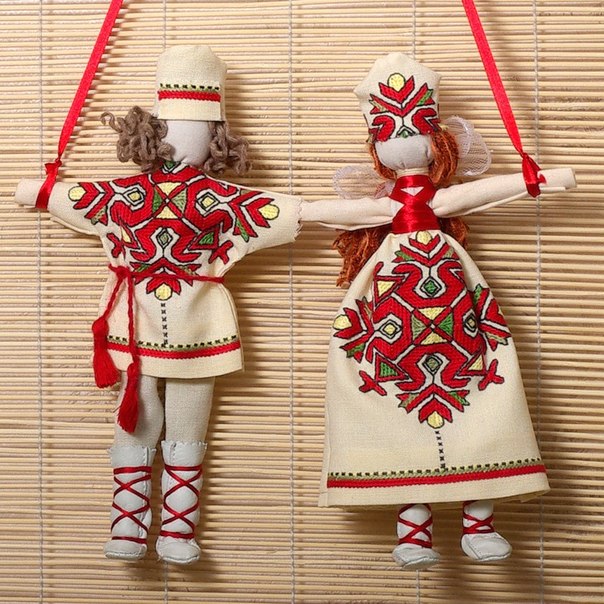
In Russia, dolls were the main amulets, which had a certain significance. With their help, people defended themselves against negativity from outside, asked for help in the continuation of the family, in solving material problems, etc.
Basic information about the Slavic puppets-amulets
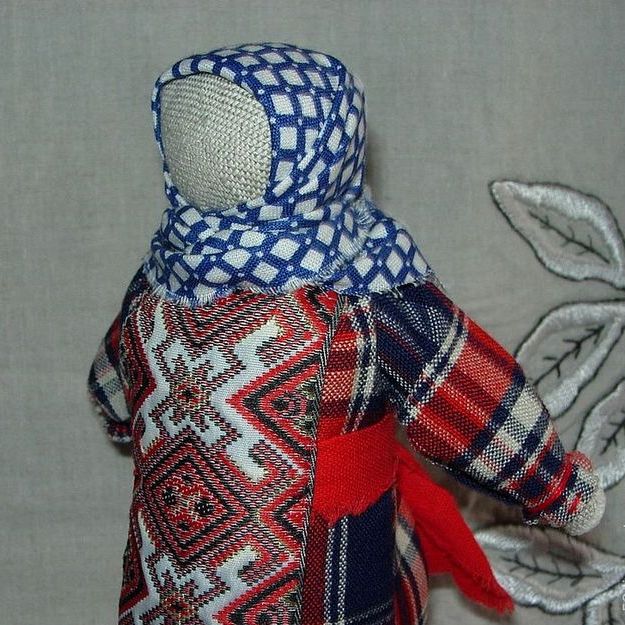
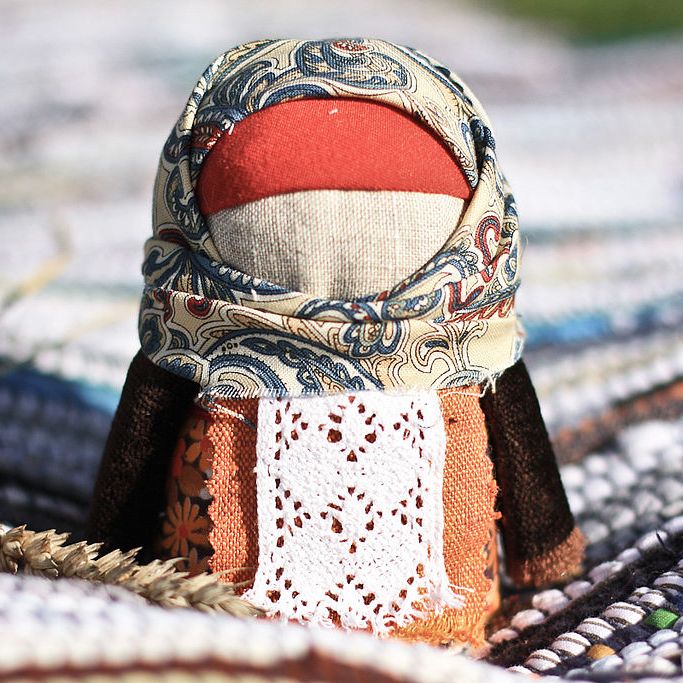
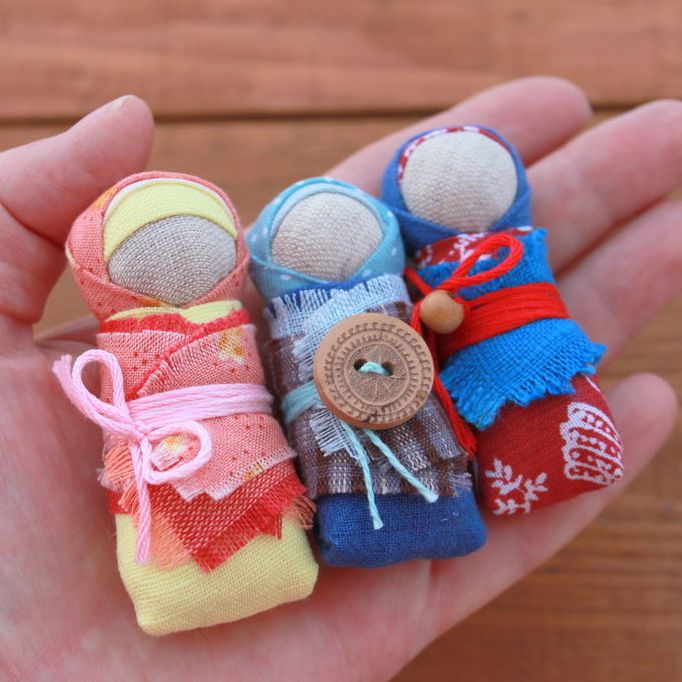
Basically, all the dolls were faceless, that is, there were no eyes, lips, nose. The thing is that the Slavs believed that the person gives the doll a soul, which means that it can be used to create a different negative. Slavic dolls, amulets with their own hands were made only by women, and at that time there should not be men in the house. You have to start working with a pure heart and good thoughts. For the amulet, only natural fabrics were used. In any case it was impossible to use needles, scissors and other sharp objects, everything just broke away. To fasten the elements of the doll, the details were tied together. The girl had to make her first doll in 12 years. Such talismans were passed from generation to generation along the female line, which allowed accumulating the energy and wisdom of the whole family.
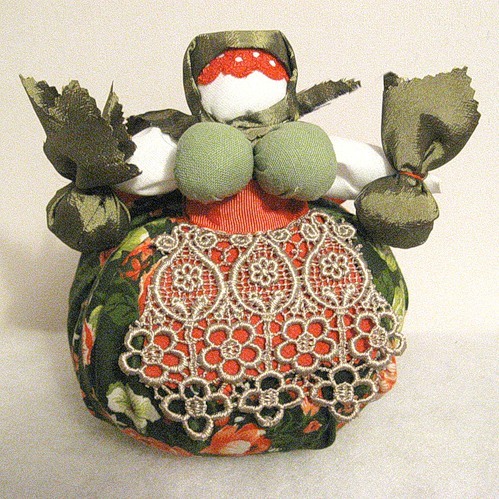
The hands were made by different Russian dolls, amulets, which had a certain detail, indicating the doll's belonging. For example, if the amulet was intended for the girl and for the continuation of the genus, the doll was made with large breasts and with the babies in their arms. Let's consider some popular variants:
- Ash . Used to preserve happiness and comfort in family relationships. They considered her to be the keeper of the home.
- Krupenichka . The main task of this doll is to preserve well-being in the family, so that there is prosperity.
- Travnitsa-kubyshka . They used it to guard against negative influences and to purify energy. It is important that the forces of the dolls were enough for all members of the family.
- Shroud . The girl did such a doll when she waited for the child to be born healthy. They kept it in the cradle.
- Non-lovers . We created a doll in which two amulets were connected at once. It was intended for the newlyweds.