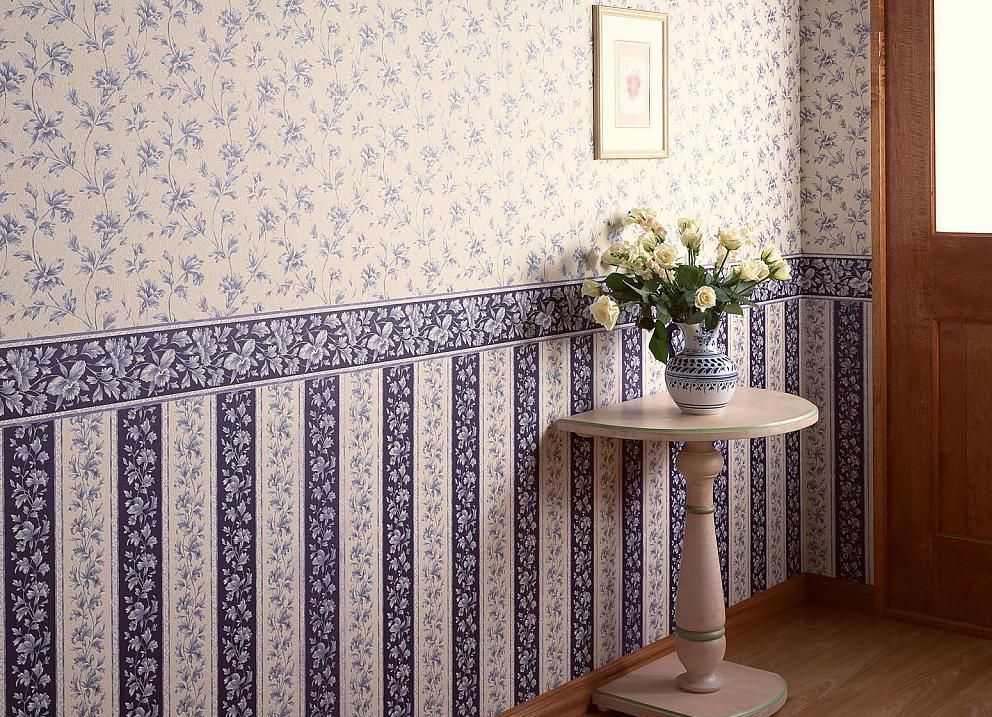
In the assortment of wallpapers, presented in the market of building materials, vinyl wallpaper occupy a rather wide segment. As a finishing material, they are a wall covering, having a two-layer structure - a base (paper, non-woven fabric) and an outer layer (deposited on a special PVC coating technology). Vinyl wallpaper belong to the number of environmentally friendly products, easy to clean (some types even wash), which allows them to be used to decorate almost any room.
Vinyl wallpapers in the interior
In addition to the base, vinyl wallpaper can be divided into several types depending on the technology of application of the outer layer, resulting in smooth, embossed, embossed wallpaper, silkscreen. Smooth vinyl wallpaper, which does not have a pronounced textured surface, is most often used where the walls are exposed to frequent washing, for example, to decorate the kitchen or hallway. In addition, the production technology allows you to create vinyl wallpaper with a water-repellent surface that they can be used even for finishing the bathroom (except for showers or places directly around the bath). Such wallpaper is also called "superwash" and on the packaging they have three wavy stripes. And do not worry that the design of these premises will be boring and inexpressive. Vinyl wallpapers are produced with such a variety of drawings that it is not difficult to find the most suitable one.
| | | |
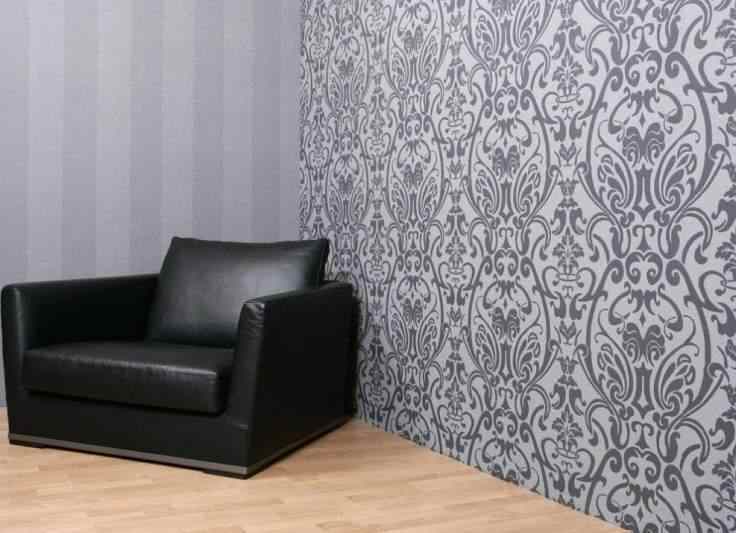
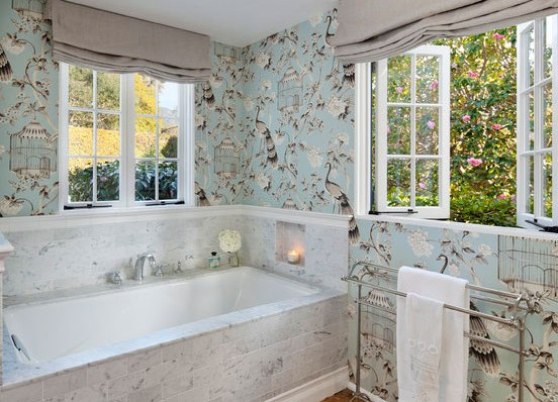
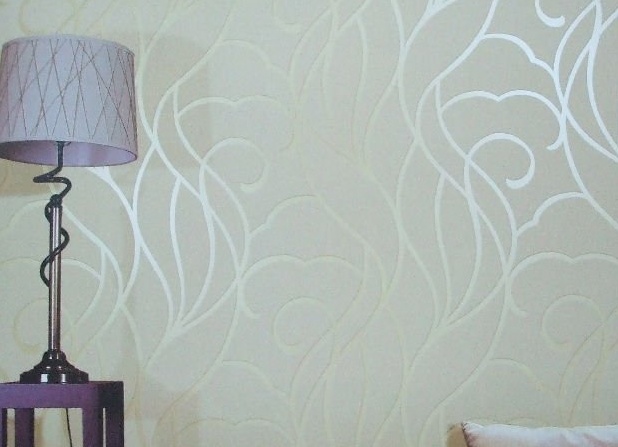
Relief vinyl wallpaper has a pronounced structure of the decorative layer - relief, which, in fact, says the name of this type of vinyl wallpaper (they are also called foamed). The surface of such wallpaper differs some looseness and yieldability when pressing. They can easily be damaged, even by inadvertently touching the furniture. In addition, they can not be washed, only vacuumed. Foamed wallpaper is best for a living room or bedroom, the more that for greater decorative in the composition of PVC for the top layer of some brands of these wallpapers add sparkles.
| | | |
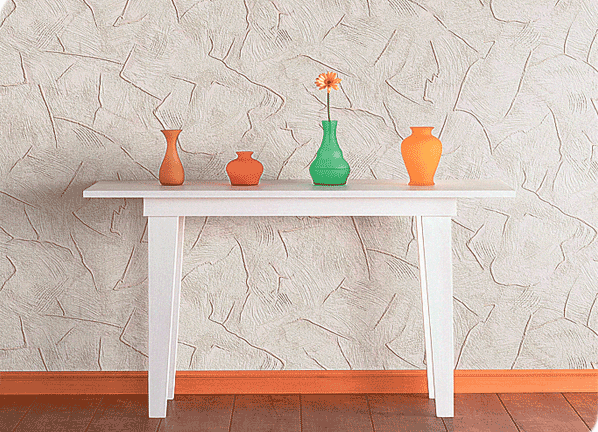
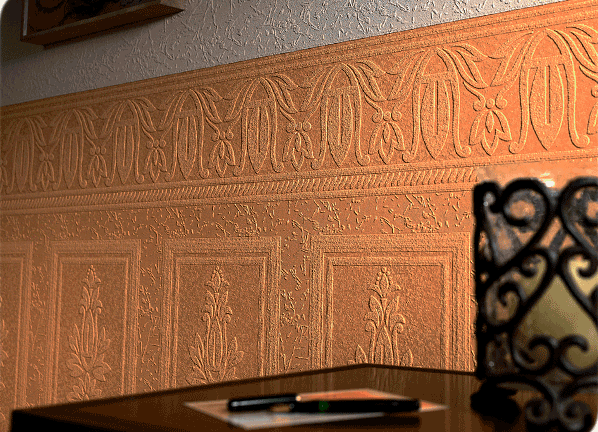
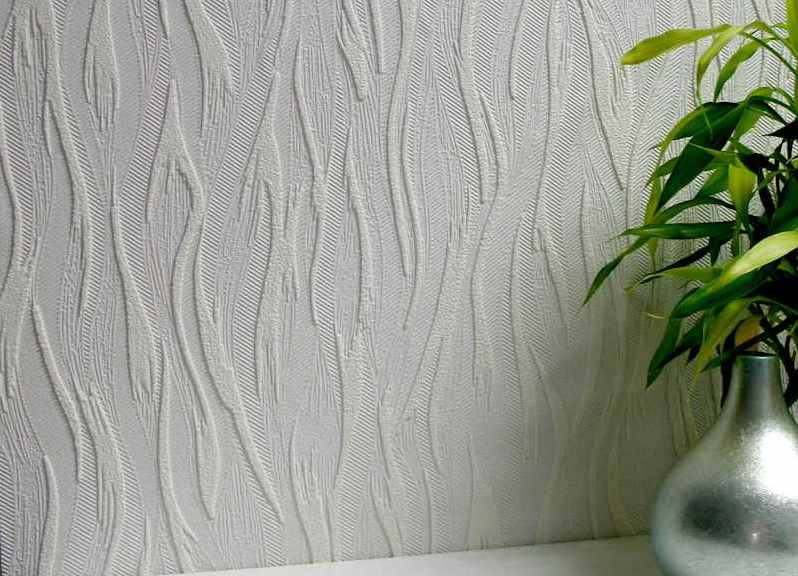
The embossed vinyl wallpaper is somewhat more resistant to external influences. The top layer in such wallpaper is processed by hot stamping, as a result of which a kind of film is formed in the form of a pattern.
| | | |
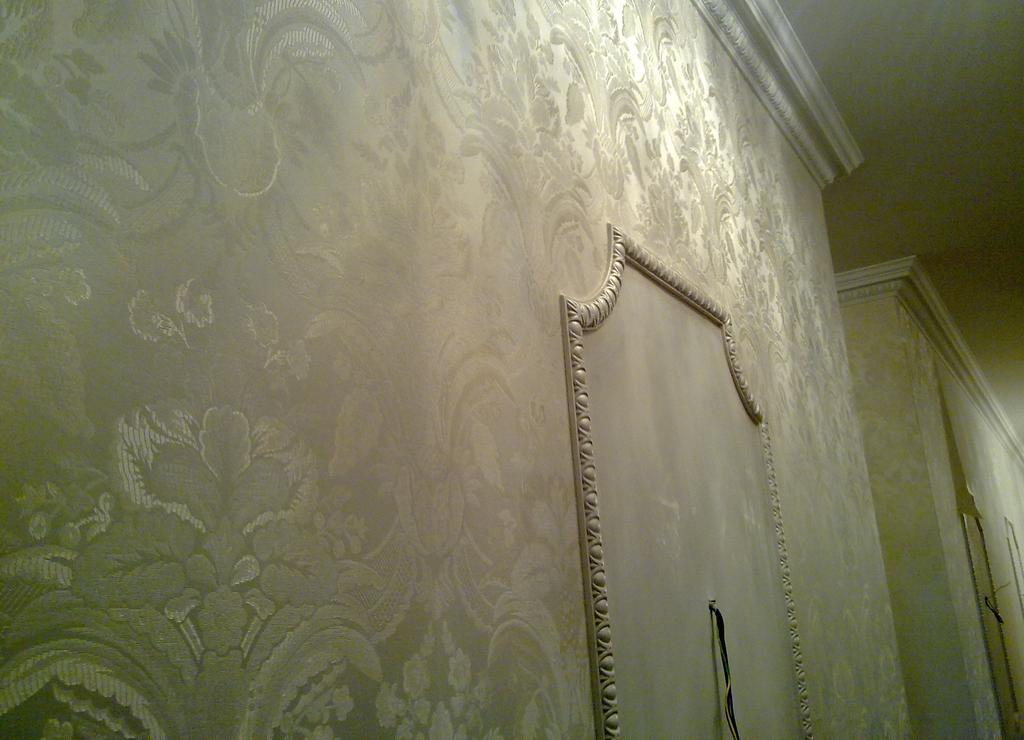
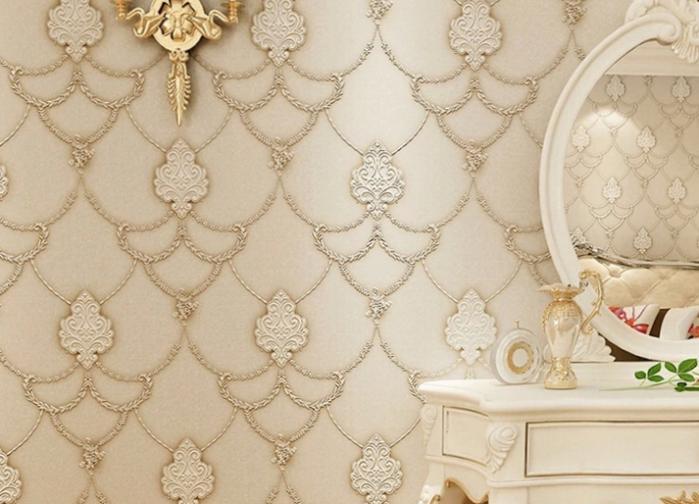
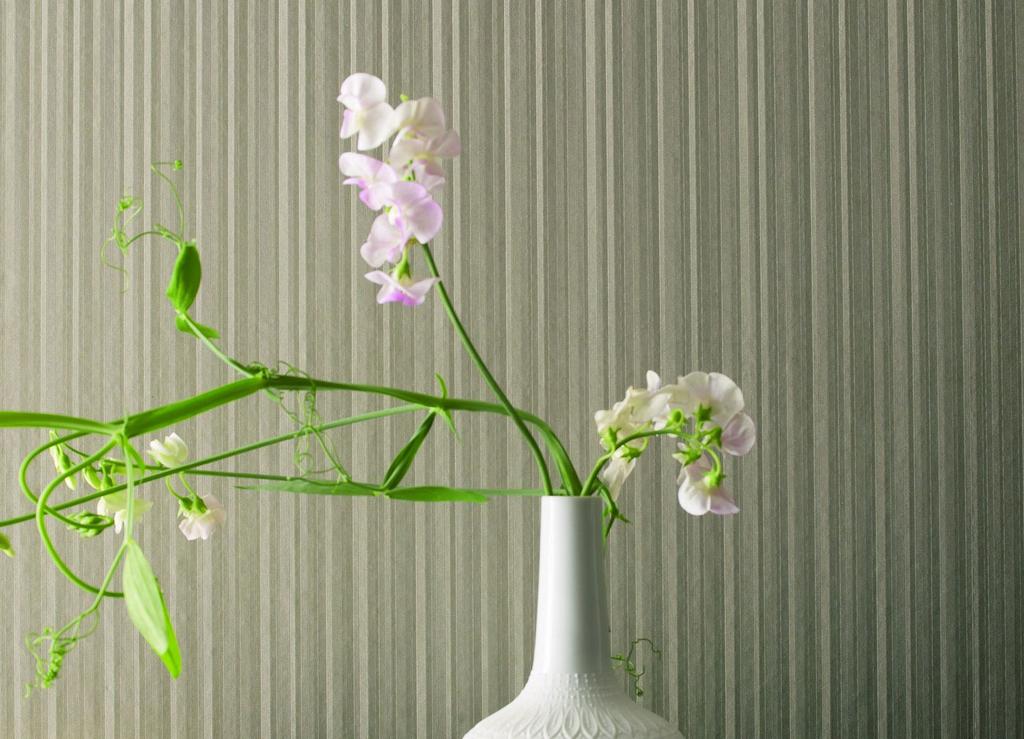
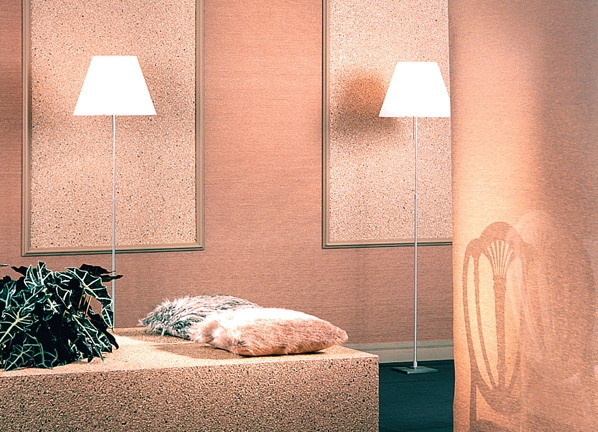
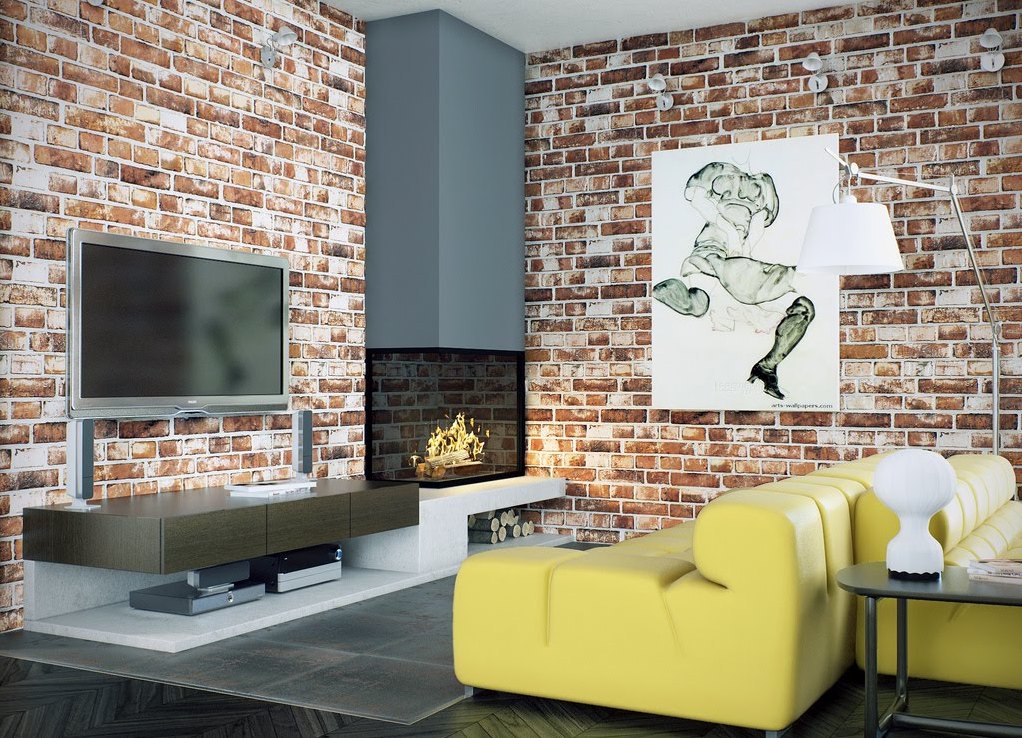
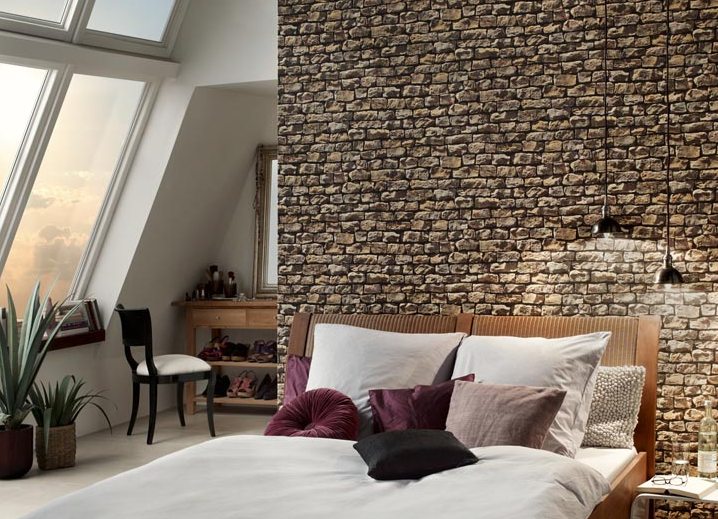
It should be noted that the properties of PVC make it possible to use a wide variety of additives in the process of producing wallpaper, the result of which is the effectiveness of the outer layer. The most vivid example - vinyl wallpaper "silkscreen". In the production of these wallpapers, silk fibers are used. In addition, PVC allows you to create a wallpaper surface of a variety of textures and textures. Vinyl wallpaper perfectly imitate decorative plaster, wood, fabric. Vinyl wallpapers with a surface for brick and natural stone are especially popular.
| | | |
Vinyl wallpaper: pros and cons
It can not be said that vinyl wallpaper is an ideal finishing material. There are advantages and disadvantages. To the pluses of vinyl wallpaper should be attributed, in the first place, high decorativeness. Further. Vinyl wallpaper - this is a fairly strong finishing material (the base consists of two, sometimes three, layers of paper or non-woven fabric). Foamed wallpapers perfectly hide the minor flaws of the surface. Another positive quality of vinyl wallpaper, which allows them to be widely used even for interior decoration of premises with complex conditions (kitchens, hallways, bathrooms) - they are among washable (except foamed). Now about the disadvantages of vinyl wallpaper: soak and stretch after applying glue (special for vinyl wallpaper!), And after drying - shrink; Do not let the air in (but! Vinyl wallpapers of the latest models are already released with micropores); sensitive to temperature changes.