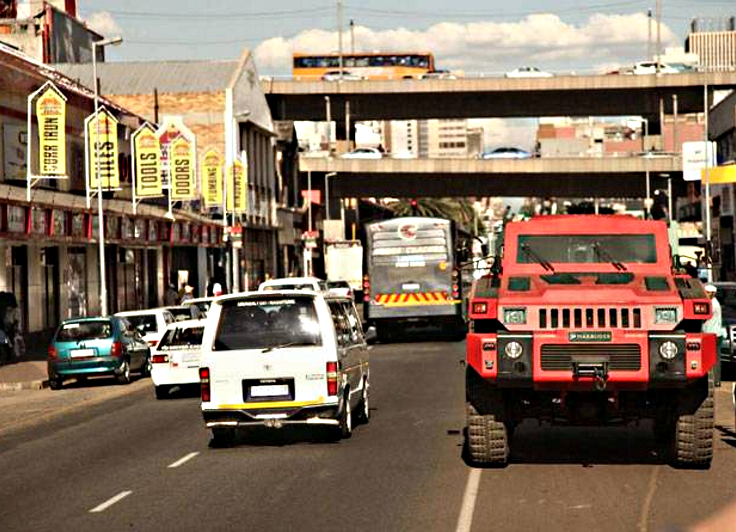
South Africa is a state with a well-developed network of highways. One third of them are covered with high quality asphalt. There are no specifics, in comparison with Europe, in the rules of the road. The mandatory requirement - the use of seat belts and compliance with the speed limit - in the city of 6 km / h, on some roads 100 km / h, and on motorways to 140 km / h. To move around the city there is a network of car rental shops. This is one of the economical options for moving tourists.
Transport in South Africa is very diverse:
- automotive;
- railway;
- water;
- air (including international).
Automobile transport
The total length of motorways in the country is over 200,000 kilometers. This is 10 times more than the length of the railway tracks. The movement is left-sided, there are a lot of cars of all known and unknown brands, including luxury ones. Many highways have been specially renovated for the World Cup, which was held here in 2010.
Petrol at gas stations is only 95th plus one kind of diesel fuel. The choice is not great, but the quality is quite high.
There are a lot of motorways. At least a minimum of 3 bands in each side. The fare is paid, although there are almost no traffic jams, which saves time.
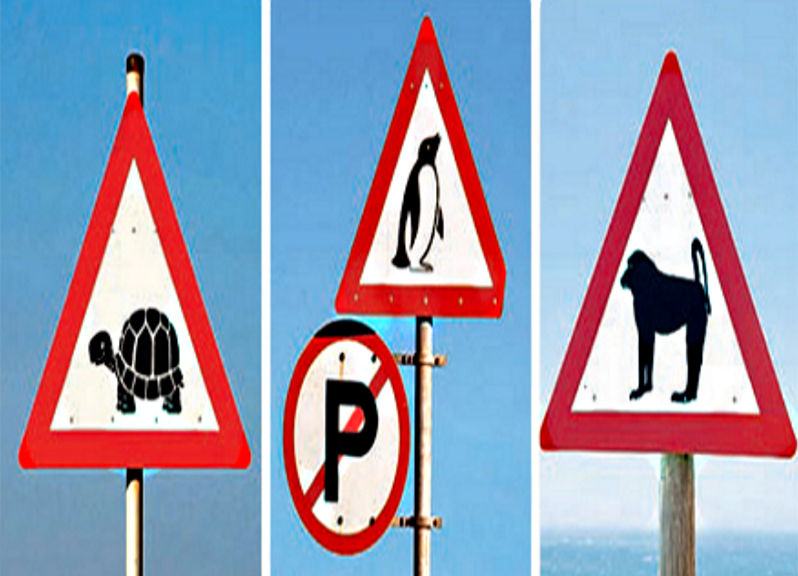
There are many road signs in South Africa . On the highways they are attached to wooden posts, while in the city only to steel pipes. Dangerous sections of the road are equipped with special traffic signs with illumination. It turns on when it gets dark. Usually it is a pair of orange lamps. If you do not want to pay extra, you can choose to bypass free roads (marked on the road signs with the letter "T"). The most interesting road sign in South Africa is the ban to stand under the umbrella at the table.
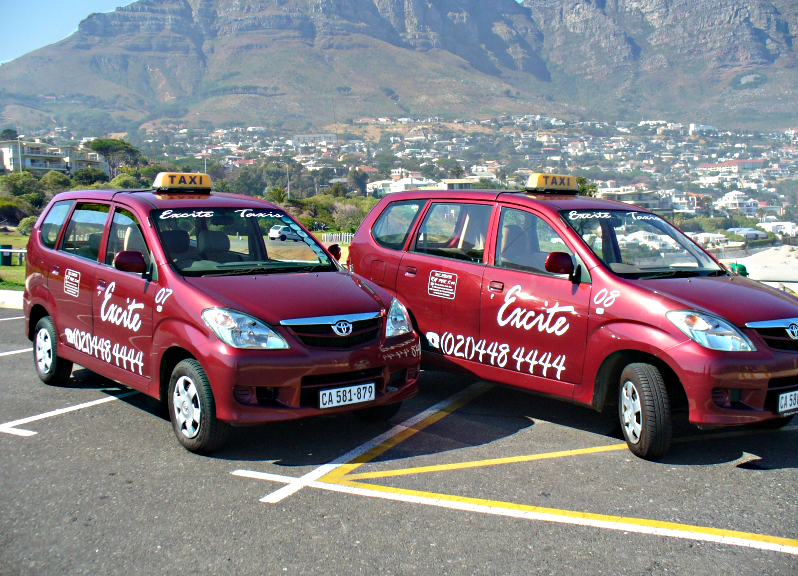
No tinting on vehicles. The only exception is police cars. You can travel around the country both on rented cars and by taxi. Call the machine only by phone. To vote on the street it is not accepted. And for a white person it's not safe to move with an unfamiliar driver.
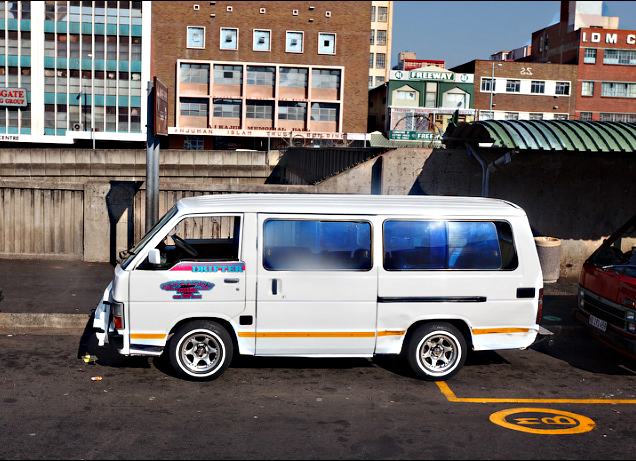
Among the local popular is the type of public transport, like minibuses and buses. They are well staffed, to go to them comfortably. The prices are affordable. For tourists, any type of public transport in South Africa is a taboo.
| | | |
Railway transport
Trains connect all major cities of the country. The railways of South Africa are narrow-gauge, however, modern trains. True, only black can use this service. White can be dangerous to travel by rail.
In addition to trains, there are also electric trains. The cost of the trip is not high, so anyone who has a job can afford to leave Durban for Cape Town and back. The exception is the high-comfort trains (Trans-Kuru, Blue-Train). You can go to them on a trip only after preliminary booking. The fare is high.
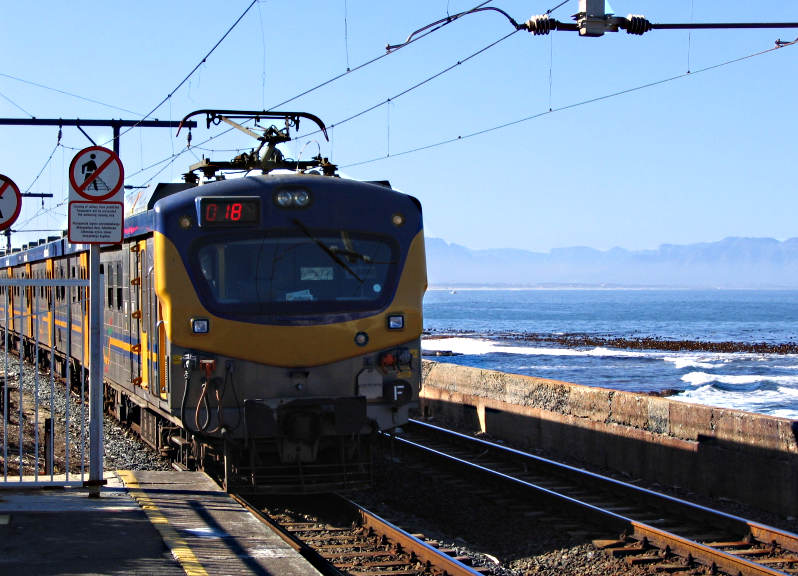
All trains can be divided into three types:
- sedentary;
- compartment with 4 seats;
- compartment with 6 seats.
Air communication
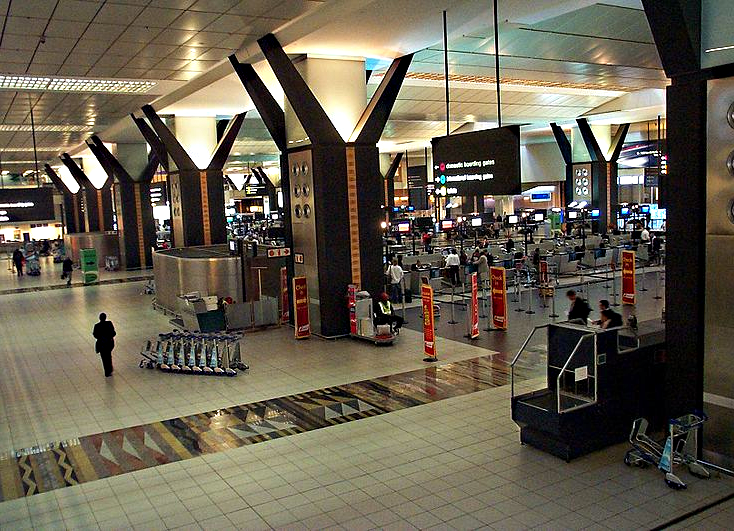
In South Africa there are 3 international airports - in Durban, in Johannesburg and in Cape Town . The cost of flights is high, but the quality is excellent and there are no delays between flights, all the planes leave strictly on schedule.
In 2010, the airline market was visited by low-cost companies - FlyMango, Interlink Airlines (also flies to Mozambique, Tanzania, Zimbabwe), Kulula Air (in addition to domestic flights, passengers are transported to Zimbabwe, Zambia, Namibia and Mauritius.)
The main airport in South Africa is Tambo. It is located next to Johannesburg and misses in the year more than 20 million passengers.
Water transport
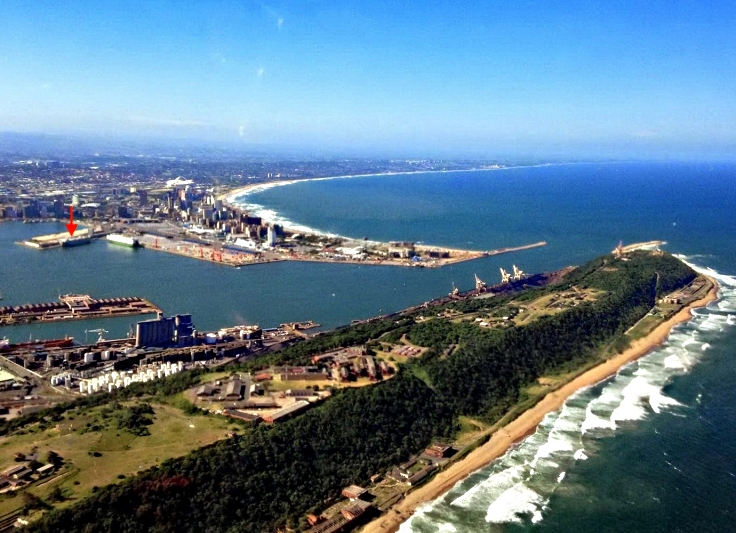
The main port of South Africa is in the city of Durban . Here, South African naval forces are based in the Indian Ocean. The parameters of the channel leading to this port are 152 m (width) and 12.8 m (depth). Near the berths, up to fifty boats can be located at the same time.
Also in South Africa there are three more, no less significant, ports - in Cape Town, Simonstad and Mossel Bay. The latter is the location of the naval forces of the country, as well as the southernmost port. In Simonstad, submarines and aircraft carriers are based.
Transport of South Africa is well developed and diverse. However, tourists are advised to use a taxi for travel around the city, where they came to rest, and by plane, for a flight from one destination to another. All other forms of transport for a white person are not safe.